ICOM IC-A25N Handheld NAV/COM Transceiver w/ Bluetooth – Open Box: Reliable NAV/COM Performance
ICOM IC-A25N Handheld NAV/COM Transceiver w/ Bluetooth – Open Box: Reliable NAV/COM Performance
Blog Article
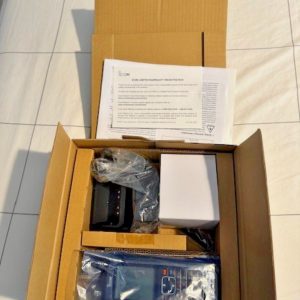
:::writingvariant="document" id="58314" ICOM IC-A25N Handheld NAV/COM Transceiver w/ Bluetooth – Open Box: Advanced Pilot Communication The ICOM IC-A25N Handheld NAV/COM Transceiver w/ Bluetooth – Open Box offers practical cockpit, emergency, training, and ground-use functionality in a compact handheld format. For budget-conscious pilots, an open-box radio may provide a practical balance between modern functionality, reliable construction, and competitive purchase value. The ICOM IC-A25N Handheld NAV offers a flexible option for private pilots, commercial operators, instructors, aviation students, and support personnel. An ICOM IC-A25N Aviation Radio can support communication between pilots, air traffic services, flight instructors, ground personnel, and other aviation users where authorized. The compact ICOM IC-A25N Handheld Radio may be especially useful for pilots who operate multiple aircraft or frequently travel between airports and training locations. Choosing a Handheld NAV/COM Aviation Transceiver can support organized flight preparation, backup planning, and portable cockpit communication. Whether the intended use involves a Handheld Aviation Radio, Aviation NAV/COM Radio, Pilot Handheld Radio, or Aircraft Communication Radio, dependable battery and antenna performance remain important. The product can support pilots seeking a Portable Aviation Transceiver, Aviation Navigation Radio, ICOM Pilot Radio, or dependable Backup Aircraft Radio.
Key Benefits of the ICOM IC-A25N Transceiver
A multifunction handheld radio can provide useful redundancy and flexibility for pilots who regularly operate in different aircraft or environments. Pilots often select a feature-rich handheld radio because it supports communication needs without requiring permanent installation or aircraft modification. The radio may perform very effectively in some environments while experiencing reduced range inside certain aircraft or buildings. Operators should include the radio in normal equipment checks so batteries, accessories, and settings remain ready for use.Using the ICOM IC-A25N Handheld NAV
The portable design allows pilots to become familiar with radio functions outside the aircraft before using the device in a busy operational environment. Ground personnel can use an appropriate handheld radio for monitoring or coordination where local procedures and regulations allow. Navigation features should support rather than replace required pilot preparation, approved navigation equipment, current charts, and appropriate operational judgment. The radio should be stored securely so it does not interfere with controls, visibility, passengers, or emergency egress.Using the ICOM IC-A25N Aviation Radio
The handheld unit can support operations during aircraft maintenance, ramp movement, hangar work, or other situations where installed radios are not easily accessible. Flight instructors can use the device as supplemental equipment during ground lessons, aircraft walkarounds, and selected training exercises. Buyers should consider the radio’s physical condition, battery age, charging equipment, antenna, clips, headset accessories, manuals, packaging, and evidence of proper operation. Testing should occur in a lawful and appropriate manner without creating unauthorized transmissions or interfering with aviation communications.ICOM IC-A25N Handheld Radio Portability
The ICOM IC-A25N Handheld Radio offers portable access to aviation communication functions without requiring permanent aircraft installation, wiring, panel space, or structural modification. The antenna should be protected from bending or crushing more info while the radio is transported with other equipment. Portability also allows the radio to be charged and configured away from the aircraft, helping pilots prepare frequencies and settings before entering the cockpit. The radio should be removed from environments where condensation, fuel, oil, cleaning products, or maintenance debris may cause damage.Handheld NAV/COM Aviation Transceiver Applications
A NAV/COM transceiver can support normal operations, training, backup planning, aircraft delivery, and selected ground activities. The most suitable handheld radio is not necessarily the one with the longest feature list, but the one the pilot can operate confidently and maintain properly. Stored frequencies and settings should be reviewed periodically so outdated information does not create confusion. After use, the device should be cleaned gently, charged as appropriate, disconnected from unnecessary accessories, and returned to protected storage.Handheld Aviation Radio for General Aviation
A Handheld Aviation Radio is a practical tool for private pilots, instructors, students, mechanics, aircraft owners, flight schools, and airport support personnel. The radio can also provide useful redundancy when an installed communication system experiences an unexpected problem. Radio performance can be affected by aircraft structure, cockpit location, antenna orientation, terrain, buildings, interference, weather, and distance. Users should understand local procedures before transmitting from airports, airshows, training areas, or ground facilities.Benefits of an Aviation NAV/COM Radio
An Aviation NAV/COM Radio gives pilots portable access to communication and navigation-support features that may complement installed cockpit avionics. Pilots should avoid changing complex settings when attention is required for aircraft control, traffic awareness, navigation, or communication duties. Pilots should maintain current charts, navigation planning, weather awareness, and suitable avionics for the flight being conducted. Paired accessories and Bluetooth connections should be tested so unexpected setup issues do not occur during flight.Pilot Handheld Radio Benefits
Flight instructors may value a handheld unit for monitoring, demonstration, backup, and coordination during ground or flight-training activities. The microphone, antenna, cables, headset adapters, and charger should be stored so they do not become tangled or damaged. Training may also include using the radio with gloves, in reduced light, with a headset, or in a noisy cockpit environment. Pilots may consider carrying an appropriate backup power option when supported by the equipment and mission requirements.Choosing an Aircraft Communication Radio
The IC-A25N can become part of an organized communication strategy for private pilots and aviation businesses. Clear communication depends on more than radio quality because users must understand procedures, frequencies, terminology, timing, and radio discipline. Moving the radio or antenna within the cockpit may influence reception, but it must remain secure and clear of controls. Qualified repair or manufacturer-supported service may be appropriate for electronic problems that cannot be corrected through normal setup.Using a Portable Aviation Transceiver
The device can support airport ground activities, remote-airfield operations, aircraft inspections, maintenance coordination, and flight preparation. A protective case can separate the radio from tools, keys, metal objects, liquids, and heavy equipment inside a flight bag. Wireless connectivity may help pilots integrate the radio into a preferred communication setup when paired equipment is supported and configured correctly. Careful setup allows portable wireless communication features to improve convenience without creating unnecessary cockpit distraction.Aviation Communication Device for Professional Use
Commercial value is strongest when the radio includes the accessories, battery capability, and support required for actual use. Buyers should avoid assuming that open-box always means unused or that every accessory remains included. Professional users may maintain records of radio assignment, charging, inspections, damage, accessory inventory, and battery replacement. A radio configured for one headset or training environment may need adjustment before being issued for another application.Handheld Aircraft Radio for Cockpit and Ground Use
Ground teams may use appropriate handheld equipment during coordinated activities where aviation communication is required and authorized. A handheld unit allows maintenance personnel to confirm communication-related information while aircraft power remains disconnected. A planned storage position supports fast retrieval while protecting the radio and aircraft interior. Ramp and maintenance environments can expose portable electronics to contaminants that are less common in normal indoor storage.Using an Aviation Navigation Radio
The aviation-focused interface is intended to support pilots who need quick access to practical features in a compact format. A demonstration or careful manual review can help users understand displays, menus, stored information, and navigation-related controls. Pilots remain responsible for route planning, weather evaluation, airspace awareness, fuel management, and safe aircraft control. Regular checks should confirm that stored information, settings, battery status, and display performance remain suitable for use.ICOM Pilot Radio Benefits
An ICOM handheld can become a standard part of a flight bag for pilots who regularly operate rented, shared, or personally owned aircraft. An open-box unit may have excellent value, but the buyer should verify the package rather than relying solely on the model name. Businesses may value durability, accessory replacement, consistent training, and the ability to assign one radio across several users. A protective case and consistent charging routine can help preserve the equipment and prevent missing accessories.Emergency Aviation Radio Benefits
Emergency value depends on the radio being charged, accessible, configured, and familiar to the pilot before a problem occurs. The pilot should understand how portable-radio range may differ from normal aircraft communication equipment. The pilot should know how to operate the radio directly if a paired headset or wireless accessory fails. Any missing charger, antenna, adapter, cable, or battery concern should be corrected before the radio is relied upon.Maintaining a Backup Aircraft Radio
A Backup Aircraft Radio provides communication redundancy for pilots who want an alternative to the primary panel-mounted transceiver. Stored batteries can lose capacity, accessories can become misplaced, settings can change, and physical damage may go unnoticed. A simple and familiar arrangement is generally more useful during an abnormal situation than a complicated setup that has not been practiced. With thoughtful preparation, a Backup Aircraft Radio can provide valuable confidence without creating unnecessary cockpit complexity.Inspecting an Open-Box ICOM IC-A25N
An open-box ICOM IC-A25N should be inspected for cosmetic condition, display quality, button response, antenna security, battery fit, connector condition, and evidence of previous use. Transparent answers allow the buyer to distinguish a nearly unused open-box product from a lightly used or incomplete package. A complete demonstration can provide valuable confidence for buyers who cannot inspect the radio in person. The radio should be protected from impact, moisture, static, loose movement, and pressure during transportation.Maintenance and Long-Term Radio Care
Preventive care helps preserve the display, controls, battery, housing, antenna connection, charger, and accessories. Inspection frequency may need to increase when the device is shared, carried daily, used outdoors, exposed to maintenance environments, or stored in an aircraft.- Examine high-use areas regularly and document any repair, battery replacement, charging concern, impact, or intermittent operation.
- Keep the operating guide or a simple quick-reference resource accessible until important functions are fully familiar.
- Use a protective case or dedicated flight-bag compartment so the radio remains accessible, complete, and free from damage.